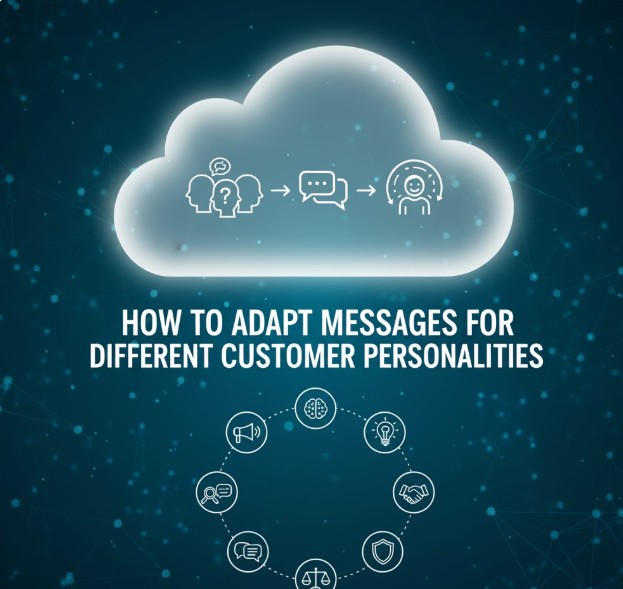
Understanding How to Adapt Messages for Different Customer Personalities is essential for any business that wants to deliver personalized, effective, and emotionally intelligent support. Customers communicate in different styles—some are direct, some emotional, some analytical—and adapting how you respond can significantly improve satisfaction, reduce conflict, and strengthen brand trust.
Why Adapting Messages Matters
Customers interpret communication differently depending on how they think and behave. By recognizing common personality patterns, support teams can respond in a way that feels natural, respectful, and efficient. It is not just about solving problems—it’s about aligning communication styles to create a smoother experience.
Common Customer Personalities and How to Respond
1. The Direct Customer
These customers want fast, concise answers without unnecessary detail.
How to respond:
-
Be brief and clear.
-
Provide step-by-step actions.
-
Avoid overly friendly or emotional language.
Example:
“Here’s the quickest way to fix this issue…”
2. The Emotional Customer
This customer expresses feelings openly and needs reassurance.
How to respond:
-
Acknowledge emotions first.
-
Use empathetic language.
-
Avoid sounding robotic or dismissive.
Example:
“I understand how frustrating this must be. Let’s solve it together.”
3. The Analytical Customer
This type wants logic, data, and detailed explanations.
How to respond:
-
Provide reasoning and context.
-
Offer supporting facts or links.
-
Avoid vague statements.
Example:
“Here’s why the system behaves this way and how we can adjust it…”
4. The Casual or Friendly Customer
This customer prefers a relaxed tone and open conversation.
How to respond:
-
Use a friendly, light tone.
-
Add small conversational elements.
-
Avoid being too formal unless necessary.
Example:
“No worries, happy to help! Here’s what you can try…”
Tips for Adapting Messages to Customer Personalities
1. Listen for Clues in Their First Message
Tone, length, structure, and pace reveal a lot. Direct customers write short messages; emotional customers express feelings; analytical customers ask detailed questions.
2. Adjust Tone, Not Just Content
Tone adaptation is as important as information. Use softer language for emotional customers, precise language for analytical customers, and straightforward answers for direct customers.
3. Use Templates Wisely
Templates are helpful but must be customized. A small change in wording can make a template feel tailored to the customer’s personality.
(See related article: How to Use Templates Without Sounding Robotic) ← Internal link
4. Ask Clarifying Questions
If you’re unsure of the customer’s personality type, one simple question can reveal their communication style.
Outbound Links (Required)
You may replace these with better sources if needed:
Internal Links (Placeholders — replace with your own URLs)
Conclusion
Mastering How to Adapt Messages for Different Customer Personalities helps support teams deliver responses that feel human, relevant, and respectful. When customers feel understood—not just answered—they are far more likely to trust your brand, remain loyal, and recommend your service to others.


