SMS delivery receipts explained can save you from potential miscommunication and frustration. When you send a text message, you want to know if it has reached its destination, but the mechanics of SMS delivery can be confusing. Understanding how delivery receipts work is essential for effective communication, especially in business contexts.
Key Takeaways
- SMS delivery receipts provide confirmation that a message has been received.
- Understanding the different types of receipts can clarify communication.
- Enabling delivery receipts on your device can enhance text messaging effectiveness.
- There are limitations and misconceptions that users should be aware of.
Table of Contents
- What Are SMS Delivery Receipts?
- How SMS Delivery Receipts Work
- Types of SMS Delivery Receipts Explained
- Why You Should Use SMS Delivery Receipts
- Common Misconceptions About SMS Delivery Receipts
- How to Enable SMS Delivery Receipts on Your Device
- The Limitations of SMS Delivery Receipts Explained
- Troubleshooting SMS Delivery Receipt Issues
- Legal and Privacy Considerations
- Enhancing Communication Beyond SMS Delivery Receipts
What Are SMS Delivery Receipts?
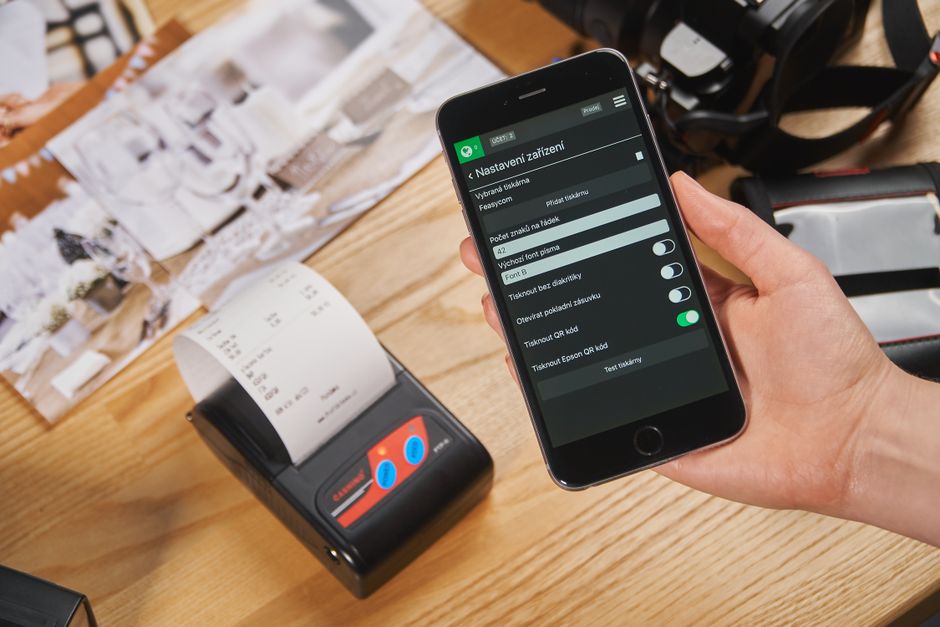
SMS delivery receipts are notifications sent back to the sender to confirm that a text message has been successfully delivered to the recipient’s mobile device. These receipts serve a vital role in the ecosystem of text messaging, providing reassurance to senders that their messages have reached their intended targets. In essence, they act as a digital handshake, verifying that the communication process has been completed.
When you send a text message, it travels through a series of networks before arriving at the recipient’s phone. Once the message is received, the recipient’s device communicates back to the sending network, indicating that the text has been successfully delivered. This response generates the delivery receipt, which is then forwarded to the sender. So, whenever you see that little notification confirming your message was delivered, that’s the delivery receipt in action.
It’s worth considering the purpose of these receipts more closely. For individuals, especially in personal conversations, knowing that a message has been delivered can alleviate anxiety. For businesses, the stakes are even higher. Companies rely on SMS for customer engagement, reminders, and promotional messages. A delivery receipt can mean the difference between a satisfied customer and a missed opportunity. For instance, if a business sends out a time-sensitive offer, having confirmation that the message was delivered can be crucial. In fact, studies show that SMS messages have an impressive open rate of around 98%, significantly higher than emails, which can average just 20%.
However, SMS delivery receipts are not infallible. They only confirm that the message was delivered to the recipient’s device, not that the recipient has actually seen or read it. This distinction is vital. For example, even if you receive a delivery receipt, the recipient may have their phone off or may not check their messages promptly. This often leads to misunderstanding in communication, particularly in urgent situations.
Moreover, different mobile carriers may have varying policies regarding delivery receipts. Some might not support them at all, while others might have a delay in sending the receipt back to the sender. This inconsistency can cause confusion, and users might mistakenly believe their message has not gone through just because they haven’t received a receipt yet.
In summary, sms delivery receipts explained are about confirming message delivery, but they come with caveats. They provide peace of mind and can enhance communication, particularly in business contexts. However, users must remember that receipt confirmation does not guarantee that the message has been read or acted upon, which is a common misconception. Understanding the nuances of SMS delivery receipts can help individuals and businesses utilize them more effectively, ensuring better communication outcomes.
How SMS Delivery Receipts Work
Understanding how SMS delivery receipts work involves diving into a series of technical steps that ensure your message reaches its intended recipient. When you send a text message, it passes through a well-defined process before it can be confirmed as delivered.
Initially, when you hit send, your mobile phone forwards the message to your mobile network operator (MNO). The MNO then routes the message to the recipient’s MNO if they are on a different network. This routing process can involve multiple intermediaries, especially in cases where the recipient is using a different carrier or is located in another region.
Once the message reaches the recipient’s mobile network, it is stored temporarily in a Short Message Service Center (SMSC). The SMSC is crucial here as it manages the store-and-forward process of SMS messages. If the recipient’s phone is turned off or out of range, the SMSC holds onto the message until the device becomes available again. This holding period can last from a few minutes to several days, depending on network settings.
When the recipient’s device is ready to receive messages, the SMSC forwards your message to it. Upon successful delivery, the recipient’s device sends an acknowledgment back to the SMSC, indicating that the message has been received. This is where the delivery receipt is generated. The SMSC marks the message as delivered in its system and prepares to send a delivery receipt back to you.
The delivery receipt is then sent from the SMSC back to your mobile device through your MNO. This process can happen almost instantaneously, but it can be delayed based on network conditions or congestion. The format of the delivery receipt you receive can vary, but typically it will inform you whether the message was delivered successfully or if there was an issue.
Interestingly, there are different types of delivery receipts. For instance, a basic receipt simply indicates whether the message was delivered. However, some advanced systems can provide additional information, such as whether the message was read, assuming the recipient has that functionality enabled on their device.
Misunderstandings about delivery receipts often arise. For instance, many users expect a receipt only if the message is read. However, sms delivery receipts explained simply mean the message was delivered to the recipient’s device, not necessarily opened or read. This distinction is crucial for effective communication, as misinterpreting delivery receipts can lead to confusion in conversations.
In summary, the process of generating and sending SMS delivery receipts is complex, involving multiple parties and systems. Understanding this process can help clarify what those receipts really mean and how reliable they are for confirming message delivery.
Types of SMS Delivery Receipts Explained
When it comes to SMS delivery receipts, not all notifications are created equal. Understanding the different types of receipts can clarify what each one means and how they impact your messaging strategy. Let’s break them down.
1. Success Receipt
The most straightforward type, a success receipt, indicates that your message has been successfully delivered to the recipient’s device. This receipt is usually generated by the carrier once the SMS reaches the recipient’s mobile network. It’s a solid indicator that your message is in the hands of the intended recipient, but it doesn’t guarantee that the recipient has actually read it.
2. Pending Receipt
A pending receipt means that the carrier has received the message but hasn’t yet confirmed its delivery to the end device. This can occur for a variety of reasons, such as the recipient’s phone being turned off, out of service, or in an area with poor coverage. The message is essentially in limbo, waiting to be delivered when conditions improve. If you see this status, it may be wise to follow up after a reasonable period.
3. Failed Receipt
A failed receipt signals that the message was not delivered for some reason. This could be due to an incorrect phone number, a blocked number, or network issues. If you receive a failure notice, it’s crucial to check the recipient’s number for accuracy. Sending another message without confirming the details can lead to repeated failures and frustration.
4. Delivered Receipt
While similar to a success receipt, a delivered receipt often comes with more specificity. It indicates that the message was not only received by the mobile network but has also been handed off to the recipient’s device. Some messaging applications may provide more granular details, such as the exact time of delivery. This can be particularly useful in business communications where timing is crucial.
5. Read Receipt
Though not a traditional SMS delivery receipt, many messaging platforms now offer read receipts. This feature lets you know if the recipient has opened and viewed the message. However, it requires both users to have the read receipt feature enabled. If they haven’t, you might be left wondering whether your message was even seen.
6. Network-Specific Receipts
Lastly, some carriers provide their own unique types of receipts, which may include additional details based on their specific technology. For instance, some networks may send notifications related to message congestion or delays, offering insights that can help manage expectations. Familiarizing yourself with your carrier’s specific offerings can provide a more comprehensive view of your SMS delivery landscape.
In summary, understanding these types of sms delivery receipts explained can significantly enhance your communication strategy. By knowing what each receipt represents, you can make more informed decisions about follow-ups and engagement with your audience.
Why You Should Use SMS Delivery Receipts

Utilizing SMS delivery receipts can significantly enhance both personal and business communications. These receipts serve as a confirmation that your message has been delivered to the recipient’s device, providing peace of mind and a tangible record of communication.
For personal use, the benefits may seem straightforward. Imagine you’re texting a friend about plans for the weekend. Knowing that they’ve received your message can help avoid misunderstandings. If you don’t get a response, you can safely assume they might be busy or haven’t had a chance to read it yet. This clarity can prevent unnecessary follow-ups that could be perceived as nagging.
When it comes to business communications, the advantages multiply. For instance, a survey conducted by the Mobile Marketing Association found that SMS has an average open rate of 98%, compared to only 20% for emails. If you’re sending time-sensitive information, such as an appointment reminder or an important announcement, knowing it was delivered can streamline operations and improve customer satisfaction.
Moreover, in a business context, delivery receipts can serve as a critical accountability tool. For example, if a team member is responsible for a task and you send them a message with important instructions, a delivery receipt confirms that they received the information. This can be particularly useful in industries where compliance and documentation are key, such as healthcare or finance.
Furthermore, consider the scenario of a customer service representative. If they send out an SMS to a customer regarding the resolution of a complaint, having a delivery receipt can help them gauge the effectiveness of their communication strategy. It allows businesses to refine their outreach efforts based on what methods actually reach their customers.
However, it’s essential to understand that while these receipts confirm delivery, they do not guarantee that the recipient has read the message. This distinction is crucial in interpreting SMS delivery receipts explained. For instance, a recipient may have their phone on silent or be in an area with poor reception, leading to delivery but not engagement.
Another noteworthy benefit is the ability to track message trends over time. By analyzing delivery receipts, businesses can identify peak times for message engagement, helping them optimize their communication strategies. If data shows that messages sent on weekday mornings are more likely to be delivered and read, businesses can adjust their outreach accordingly.
In summary, incorporating SMS delivery receipts into your communication strategy can bolster clarity, accountability, and efficiency, whether you’re connecting with friends or managing customer relations. Understanding and utilizing these tools effectively can lead to better outcomes in all your messaging endeavors.
Common Misconceptions About SMS Delivery Receipts

When it comes to sms delivery receipts explained, there are several misconceptions that often lead to confusion. One of the most common misunderstandings is that a delivery receipt guarantees that the recipient has read or engaged with the message. In reality, a delivery receipt only confirms that the message has reached the recipient’s device. It does not indicate whether the recipient has opened the message or even if they are aware of its arrival.
For example, imagine you send an important message to a colleague. You receive a delivery receipt, which gives you a sense of assurance. However, if your colleague’s phone is on silent or they haven’t checked their notifications, they may not see the message until much later. This gap between delivery and engagement can lead to miscommunication, especially in time-sensitive situations.
Another misconception is that all mobile carriers provide the same level of delivery receipt functionality. This is far from the truth. Different carriers have varying policies and capabilities regarding delivery receipts. Some may not support them at all, while others might only provide delivery receipts under specific conditions, such as when using certain types of messaging applications or networks. This inconsistency can lead to confusion about what the receipt actually signifies.
Moreover, users often wrongly believe that delivery receipts are only relevant for business communications. While they can be incredibly useful in a professional context, personal users can also benefit from understanding when their messages have been delivered. For instance, in a group chat setting, knowing that everyone received your message can help coordinate plans effectively. However, it’s crucial to remember that delivery does not equate to acknowledgment.
Some people also think that enabling delivery receipts will slow down the sending of messages. In most cases, this is not true. The process of generating and sending a delivery receipt is typically quick and does not significantly impact the overall speed of message delivery. However, network conditions and device performance can play a role. For example, if you’re in a low-signal area, the delay may not be due to the receipt feature itself but rather the overall connectivity.
Lastly, there’s a belief that delivery receipts can be trusted entirely without any errors. While they are generally reliable, they are not infallible. Factors such as network issues, device compatibility, or even software glitches can lead to situations where a delivery receipt is generated even if the message was not successfully delivered. Users should keep this in mind, especially when sending critical information.
In summary, understanding these common misconceptions about SMS delivery receipts can help users make better-informed decisions about their communication methods. With the right knowledge, you can avoid pitfalls and enhance your messaging strategies, whether for personal or professional use.
How to Enable SMS Delivery Receipts on Your Device

Enabling SMS delivery receipts can streamline your messaging experience, whether you’re using an Android device or an iPhone. Below are the steps you need to follow for each type of device. By turning on this feature, you’ll be able to confirm whether your messages have been successfully delivered.
For Android Users
Depending on the manufacturer and version of your Android operating system, the steps may vary slightly. Here’s a general guide:
- Open the Messaging app.
- Tap on the Menu icon (usually three vertical dots in the upper right corner).
- Select Settings.
- Scroll down and look for Advanced or More Settings.
- Find the option labeled Delivery Reports or SMS Delivery Receipts and toggle it on.
Once enabled, you should receive a notification for each message that is delivered. Keep in mind that not all carriers support delivery receipts, so if you don’t see this option, it might be due to your service provider.
For iPhone Users
If you’re using an iPhone, the process is similarly straightforward:
- Open the Settings app.
- Scroll down and select Messages.
- Look for Send as SMS and ensure it’s enabled.
- Next, toggle on Send Read Receipts to get confirmation when the recipient has read your message. Note that this only applies to iMessages.
iPhones do not have a dedicated SMS delivery receipt feature for standard text messages. However, iMessage provides read receipts when both users are on an iPhone.
For Windows Phone Users
For those still using Windows Phones, enabling delivery receipts can be done as follows:
- Open the Messaging app.
- Tap the More icon (three dots).
- Select Settings.
- Toggle on the option for Delivery Reports.
Once activated, you will receive notifications confirming that your messages have been delivered.
Considerations
Enabling delivery receipts can be beneficial, but there are trade-offs. Some users find the notifications distracting, especially in group chats or high-volume messaging situations. Additionally, it’s important to remember that delivery receipts do not guarantee the recipient has read your message—only that it was delivered to their device.
By understanding how to enable these notifications, you can enhance your communication strategy, whether for personal or business interactions. For a better insight into how these receipts function, refer to the section on sms delivery receipts explained.
The Limitations of SMS Delivery Receipts Explained
While SMS delivery receipts can be a useful tool for confirming message transmission, they come with several limitations that users should be aware of. Understanding these constraints is crucial for managing expectations around communication effectiveness.
Firstly, it’s important to recognize that a delivery receipt only confirms that the SMS has reached the recipient’s mobile network. It does not guarantee that the message has been delivered to the recipient’s device or that they have read it. For instance, if the recipient’s phone is switched off or out of service, the network may still register the SMS as delivered once the device comes back online. This means you might receive a receipt indicating successful delivery, but the recipient may not have seen your message for hours, or even days.
Secondly, different carriers may handle delivery receipts in varying ways, leading to inconsistencies. For example, one carrier might send a delivery receipt immediately after the message hits their server, while another might delay the notification until the message is actually delivered to the recipient’s handset. This can create confusion and misinterpretation. If you’re relying on these messages for urgent communications, you could find yourself waiting for confirmation that isn’t coming as quickly as anticipated.
Another limitation is the potential for technical glitches. Occasionally, delivery receipts may fail to generate altogether, or they might be lost in transit due to network issues. In fact, studies suggest that around 5% of SMS messages may not generate a delivery receipt due to such errors. This can lead to uncertainty, leaving the sender wondering whether their message was sent successfully or not. In high-stakes situations, this uncertainty can be problematic.
Moreover, privacy settings on the recipient’s device can impact the effectiveness of delivery receipts. Many smartphones and messaging apps now offer users the option to disable read receipts, and in some cases, this setting may affect delivery receipts as well. If the recipient opts out of these notifications, you may never know whether your message was delivered or ignored.
Finally, relying too heavily on delivery receipts can lead to complacency in communication. For example, if a business assumes that their marketing messages are being received based solely on delivery confirmations, they may neglect to analyze engagement metrics. This could lead to missed opportunities for improving customer interaction and satisfaction. It’s essential to complement delivery receipts with other indicators of engagement, such as response rates or follow-up inquiries.
In summary, while understanding sms delivery receipts explained can provide insight into your messaging effectiveness, it’s critical to be aware of their limitations. Relying solely on them can result in misunderstandings, miscommunication, and missed opportunities.
Troubleshooting SMS Delivery Receipt Issues
While SMS delivery receipts can be incredibly useful, they aren’t without their quirks. Here are common issues users may face and how to solve them effectively.
1. No Delivery Receipt Received
One of the most frustrating issues is not receiving a delivery receipt despite sending a message. This can occur due to several reasons:
- Network Issues: If either your device or the recipient’s device has poor network coverage, the delivery receipt may not come through. Try moving to an area with better signal strength.
- Settings Misconfiguration: Ensure that your messaging app is set to request delivery receipts. Go to your app settings and check if the option is enabled.
- Carrier Limitations: Not all carriers support delivery receipts. Check with your service provider to see if they provide this feature.
2. Delayed Delivery Receipts
Sometimes, you may receive a delivery receipt long after you sent the message. This can be attributed to:
- Network Congestion: During peak hours, networks may experience congestion, leading to delays. It’s a common issue, especially during holidays or major events.
- Device Compatibility: If the recipient’s device is older or has limited functionality, it may take longer to process and send the delivery receipt.
3. Confusion Over Read Receipts vs. Delivery Receipts
Another frequent point of confusion is mistaking a delivery receipt for a read receipt. A delivery receipt confirms that the message reached the recipient’s device, while a read receipt indicates that the recipient has opened and read the message. To avoid this confusion:
- Understand the Difference: Review the distinctions between the two types of receipts. Knowing what each signifies can help manage expectations.
- Communicate with Recipients: If it’s crucial to know whether a message has been read, consider discussing the use of read receipts with your contacts.
4. Inconsistent Delivery Receipt Notifications
If you notice that delivery receipts are inconsistent—sometimes you get them, and sometimes you don’t—this could be due to:
- App Glitches: Consider updating your messaging app or reinstalling it to clear any temporary glitches that might affect receipt notifications.
- Operating System Compatibility: Ensure your device’s operating system is up-to-date, as compatibility issues can sometimes cause erratic behavior.
By understanding the common problems associated with SMS delivery confirmations, you can navigate these issues more effectively. Remember, sms delivery receipts explained will help you set realistic expectations for message delivery and follow-up actions!
Legal and Privacy Considerations

When it comes to SMS delivery receipts, there are several legal and privacy issues that users should be aware of. These concerns often revolve around consent, data protection, and the potential misuse of information. Understanding these aspects is crucial, especially for businesses that rely on SMS communications.
Data Protection Regulations
Many countries have strict data protection laws that govern how personal information is collected, processed, and stored. For instance, the General Data Protection Regulation (GDPR) in the European Union mandates that companies obtain explicit consent from users before processing their personal data. This includes the collection of data related to SMS delivery receipts.
For businesses, failing to comply with such regulations can result in hefty fines. Under GDPR, non-compliance can lead to penalties as high as €20 million or 4% of a company’s annual global turnover, whichever is higher. Thus, it’s vital for organizations to ensure they have the necessary permissions in place before implementing SMS delivery tracking features.
Consent and Transparency
Users must be informed when their data is being collected and how it will be used. This means that businesses should clearly communicate to their customers that they will receive SMS delivery receipts and what that entails. Without transparency, companies risk eroding trust and potentially facing legal repercussions.
- Example: If a company sends an SMS that includes tracking information without informing the recipient, it may be considered a violation of privacy laws.
Privacy Implications
SMS delivery receipts can inadvertently reveal information about a person’s communication patterns. For example, if a user consistently receives delivery receipts for messages sent to a specific number, this may indicate a close relationship or frequent communication, which could be sensitive information.
Moreover, if these receipts are stored or processed insecurely, they could potentially be accessed by unauthorized third parties. In 2020, a significant data breach exposed the personal information of millions of SMS users, highlighting the risks associated with inadequate data security measures.
Trade-offs in Usage
While delivery receipts can enhance operational efficiency, businesses must weigh the benefits against the possible privacy risks. For instance, while knowing that a message was delivered can improve customer service, it may also lead to the perception of surveillance. Users might feel uncomfortable knowing their communication is being monitored in such a detailed way.
Companies must strike a balance by offering delivery receipts as an opt-in feature, allowing users to choose whether they want this functionality. Providing clear options can help mitigate privacy concerns while still delivering valuable service to those who prefer it.
In summary, understanding the legal and privacy implications of SMS delivery receipts is essential for both individuals and businesses. By prioritizing consent and transparency, and ensuring compliance with relevant regulations, users can navigate these complexities effectively.
Enhancing Communication Beyond SMS Delivery Receipts

While SMS delivery receipts are a helpful tool for understanding whether your messages have been sent successfully, they aren’t infallible. Sometimes, relying solely on these receipts can lead to misunderstandings or a false sense of security about message delivery. Here are some alternative methods and tools you might consider to enhance your communication.
1. Read Receipts in Messaging Apps
Many messaging applications, like WhatsApp and Facebook Messenger, offer read receipts. These not only confirm that your message was delivered but also indicate when the recipient has opened and read it. For example, WhatsApp uses blue ticks to signify that a message has been seen. This feature can provide a more comprehensive picture of your message’s journey.
2. Follow-up Calls or Texts
When it’s critical to confirm receipt of important information, a follow-up call or text can be an effective strategy. For instance, if you send a message regarding a job interview or an important meeting, a quick phone call can ensure that the recipient is informed and engaged. This method is particularly useful in professional settings where miscommunication can have significant repercussions.
3. Use Email for Important Communications
For more formal or detailed messages, email can be a better choice. Many email services provide delivery and read receipts, giving you greater assurance that your message reached the intended recipient. Plus, emails allow for richer formatting and the inclusion of attachments, which can be vital for business correspondence.
4. Messaging Tools with Built-in Tracking
Applications like Slack or Microsoft Teams offer built-in tracking features that indicate when messages are seen or acted upon. This kind of tool is especially valuable in team environments where collaboration is key. Using these platforms can eliminate ambiguity and streamline communication.
5. Utilize Project Management Software
For teams or projects requiring ongoing communication, consider using project management software like Trello or Asana. These platforms not only allow for message tracking but also provide context around tasks and deadlines. You can comment on specific tasks, ensuring everyone is on the same page about responsibilities and expectations.
6. Video Calls for Critical Updates
Sometimes, the best way to ensure understanding is through face-to-face communication, even if it’s virtual. Tools like Zoom or Microsoft Teams allow for video calls where nuance and tone can be better conveyed, minimizing the risk of miscommunication. A quick video call can clarify complex issues that might otherwise be lost in text.
Conclusion
Incorporating these alternative methods alongside sms delivery receipts explained can significantly enhance your communication strategy. By diversifying how you confirm message delivery and engage with others, you increase the likelihood that your messages are not just sent, but actually received and understood. Remember, the goal is effective communication, and sometimes that requires going beyond traditional SMS.
Frequently Asked Questions
What does an SMS delivery receipt mean?
An SMS delivery receipt indicates that your message has been delivered to the recipient's device, but it does not guarantee that the recipient has read it.
How can I enable delivery receipts on my smartphone?
To enable delivery receipts, go to your messaging app settings and look for an option labeled 'Delivery Reports' or 'Delivery Receipts' and turn it on.
Are delivery receipts free?
Typically, most mobile carriers do not charge for delivery receipts; however, it's good to check with your provider as policies may vary.
What can cause a delivery receipt not to be received?
Several factors can prevent a delivery receipt from being sent, including network issues, the recipient's device settings, or if the recipient is in an area with no service.


