How to automate sms marketing for b2c may sound like a daunting task, but it’s more accessible than you think. Imagine being able to send personalized promotions or important updates to your customers without lifting a finger. By leveraging automation, you can streamline your marketing efforts, engage your audience, and ultimately drive sales.
In this article, we’ll explore the essential steps to effectively automate SMS marketing for your B2C business. From choosing the right platform to crafting compelling messages, you’ll gain the insights needed to enhance your marketing strategy and keep your customers engaged.
Key Takeaways
- Automation saves time and enhances customer engagement.
- Personalized messages drive higher conversion rates.
- Compliance with regulations is crucial to avoid penalties.
- Regularly analyze campaign performance to optimize strategies.
Table of Contents
Understanding the Basics of SMS Marketing
Before diving into how to automate sms marketing for b2c, it’s essential to understand the fundamentals of SMS marketing. SMS marketing involves sending promotional messages via text to potential or current customers. It’s a powerful channel when used correctly, offering a direct line to your audience.
Statistics show that SMS messages have a staggering open rate of 98%, compared to just 20% for emails. This high engagement level underscores the importance of SMS as a marketing tool. Businesses can leverage SMS for various purposes, including promotional offers, appointment reminders, and customer service notifications.
However, to harness the full potential of SMS marketing, brands must ensure that they operate within the legal frameworks governing this form of communication. In many regions, businesses must obtain consent from customers before sending promotional messages. This is where the concept of opt-ins comes into play, ensuring that your audience wants to receive your messages.
Types of SMS Marketing Campaigns
There are different types of SMS marketing campaigns that businesses can implement:
- Promotional SMS: These messages typically contain offers, discounts, or new product announcements.
- Transactional SMS: These are triggered by a customer’s action, such as order confirmations or shipping notifications.
- Reminder SMS: Used for reminding customers about appointments or upcoming events.
- Engagement SMS: Designed to re-engage customers who may have become inactive.
Understanding these types will help you choose the best approach for your audience and business goals.
How to Automate SMS Marketing for B2C: Choosing the Right Platform

When considering how to automate sms marketing for b2c, your first step is selecting the right SMS marketing platform. Many options are available, each with its own set of features, pricing, and capabilities. Popular platforms include Twilio, SMSBump, and ClickSend.
When evaluating platforms, consider the following criteria:
- Ease of Use: The platform should have an intuitive interface that allows you to create, schedule, and send messages effortlessly.
- Integration Capabilities: Ensure the platform can integrate with your existing CRM, eCommerce, or marketing automation tools.
- Compliance Features: Look for features that help you manage consent and comply with regulations.
- Analytics and Reporting: The platform should provide insights into message performance, allowing you to track open rates, click-through rates, and conversion metrics.
To illustrate, let’s say you choose SMSBump. This platform integrates seamlessly with Shopify, allowing you to send targeted messages based on user behavior, such as cart abandonment reminders or follow-up notifications after purchase.
Pricing Models
Pricing models for SMS marketing platforms can vary widely. Some charge per message sent, while others use subscription-based models. It’s important to assess your budget and the expected volume of messages to find a solution that makes sense financially. Below is a basic comparison of pricing structures:
| Platform | Pricing Model | Cost per Message |
|---|---|---|
| Twilio | Pay-as-you-go | $0.0075 |
| SMSBump | Subscription-based | Varies |
| ClickSend | Pay-as-you-go | $0.008 |
By comparing these platforms, you can determine which one aligns best with your budget and needs.
Building Your Subscriber List: Opt-In Strategies
Having a strong subscriber list is crucial when learning how to automate sms marketing for b2c. Without a solid list of opted-in users, your marketing efforts can be ineffective and even illegal, depending on your jurisdiction’s regulations. Here are some effective strategies to build your SMS subscriber list:
- Website Sign-Up Forms: Incorporate easy sign-up forms on your website, especially on high-traffic pages. Make sure to clearly state what subscribers will receive.
- Promotional Incentives: Offer discounts or exclusive deals to users who subscribe. For example, a 10% discount on their next purchase can be a compelling incentive.
- Social Media Campaigns: Utilize your social media channels to encourage followers to join your SMS list. You could run a contest where participants must enter their phone numbers to win a prize.
- In-Store Sign-Ups: If you have a physical location, train your staff to ask customers to sign up for SMS notifications at checkout.
Each of these strategies can help you grow a robust list of subscribers who are genuinely interested in your offerings.
Crafting Compelling SMS Messages

The content of your SMS messages is crucial for engagement. Here’s how to craft compelling messages as part of your automation strategy:
- Be Concise: SMS messages have a character limit of 160 characters. Get straight to the point while remaining engaging.
- Use a Personal Touch: Personalization can significantly enhance engagement. Use the subscriber’s name and tailor messages based on their preferences or past purchases.
- Include a Clear Call to Action: Always guide your audience on what to do next. Whether you want them to visit your website or use a discount code, make it clear.
- Test and Optimize: Regularly A/B test different messages to see what resonates best with your audience. Use metrics such as click-through rates to determine effectiveness.
For example, instead of saying, “Come check out our new products,” try “Hi [Name], enjoy 20% off our new arrivals! Use code NEW20 at checkout.” This message is personal, offers value, and has a clear call to action.
Compliance and Best Practices in SMS Marketing
Understanding compliance is vital when discussing how to automate sms marketing for b2c. Failure to comply with regulations can lead to hefty fines and damage to your brand’s reputation. Here are some best practices to keep in mind:
- Obtain Consent: Always obtain explicit consent from subscribers before sending promotional messages. This can be done through opt-in forms on your website or at the point of sale.
- Provide an Opt-Out Option: Every SMS you send must include a simple way for customers to opt out, such as replying with “STOP.”
- Limit Message Frequency: Avoid bombarding subscribers with messages. Too frequent communication can lead to unsubscribes.
- Stay Updated on Regulations: SMS marketing regulations can vary by region. Regularly check for updates to ensure compliance with local laws.
By adhering to these best practices, you not only protect your brand but also enhance customer trust and engagement.
Analyzing Campaign Performance
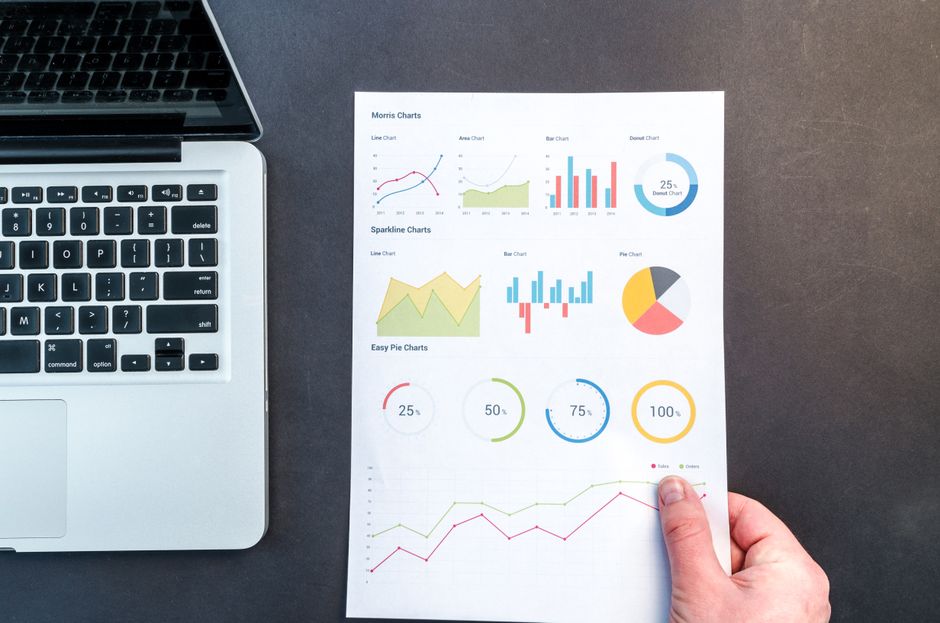
Once your SMS campaigns are up and running, analyzing their performance is crucial to understanding your success and areas for improvement. Here’s how to effectively measure your SMS marketing campaigns:
- Track Key Metrics: Focus on key performance indicators (KPIs) like open rates, click-through rates, and conversion rates. These metrics will provide insights into how well your messages are resonating with your audience.
- Use A/B Testing: Continually test different approaches to optimize your campaigns. For instance, experiment with message timing, content, and calls to action to see which combinations yield the best results.
- Gather Subscriber Feedback: Occasionally, ask your subscribers for feedback through surveys. This can help you understand their preferences and improve future messaging.
- Adjust Based on Insights: Use the data you’ve collected to refine your strategies. If you notice a particular type of message drives higher engagement, consider focusing your efforts in that direction.
For instance, if you find that your promotional messages have a 25% click-through rate, while reminders have only a 10% rate, it may be worth doubling down on promotions.
Frequently Asked Questions
What is SMS marketing automation?
SMS marketing automation involves using software to send text messages to subscribers at scheduled times or in response to specific actions. This allows businesses to streamline their marketing efforts.
How can I build my SMS subscriber list?
You can build your SMS subscriber list by using website sign-up forms, offering promotional incentives, and utilizing social media campaigns, among other strategies.
Is SMS marketing compliant with regulations?
Yes, SMS marketing must comply with various regulations, including obtaining opt-in consent from subscribers and providing an opt-out option in every message.
What metrics should I track for SMS campaigns?
Key metrics to track include open rates, click-through rates, and conversion rates. These will help you evaluate the effectiveness of your SMS marketing efforts.
Part of our complete guide: Understanding SMS Marketing Automation for Modern Businesses


