How to measure effectiveness of sms marketing campaigns is a critical question for businesses today. SMS marketing can be a powerful tool for engagement, but without the right metrics, it’s difficult to assess its real impact. Understanding how effective your SMS campaigns are can help optimize strategies, improve ROI, and ensure that your messages resonate with your audience.
In this article, we’ll explore the specific metrics and methods you can use to evaluate your SMS marketing efforts. From open rates to conversion metrics, we’ll guide you through the essential steps to gain actionable insights and refine your approach to SMS marketing.
Key Takeaways
- Identify key performance indicators (KPIs) specific to SMS campaigns.
- Utilize analytics tools to track engagement metrics effectively.
- Conduct A/B testing to optimize message content and timing.
- Adjust your strategies based on data-driven insights for better results.
Table of Contents
Understanding Key Metrics for SMS Marketing

When exploring how to measure effectiveness of sms marketing campaigns, the first step is understanding the key performance indicators (KPIs) that matter most. These metrics will help you evaluate the performance of your SMS campaigns and make informed decisions. Key metrics include:
- Delivery Rate: This metric indicates the percentage of messages that were successfully delivered to recipients. A high delivery rate reflects the effectiveness of your SMS service provider and the quality of your contact list.
- Open Rate: SMS messages typically have high open rates, often exceeding 90%. Tracking how many recipients engage with your messages helps gauge interest.
- Click-Through Rate (CTR): If your SMS includes links, measuring the CTR is essential. This metric shows how many recipients clicked the link compared to the total number of messages sent.
- Conversion Rate: Ultimately, the goal of most SMS campaigns is to drive action, whether that’s making a purchase, signing up for a newsletter, or attending an event. Tracking conversions helps you understand the effectiveness of your campaign in achieving its objectives.
To effectively utilize these metrics, compile the data using an analytics tool that integrates with your SMS platform. This enables easy tracking over time to identify trends and patterns in your campaigns.
Common Mistakes in SMS Marketing Measurement
When figuring out how to measure effectiveness of sms marketing campaigns, it’s crucial to avoid common pitfalls. A few frequent mistakes include:
- Neglecting Data Segmentation: Treating your audience as a single group can lead to a one-size-fits-all approach. Segment your audience based on demographics, preferences, and behaviors to tailor your messages and improve engagement.
- Ignoring Opt-Out Rates: If your unsubscribe rates are climbing, it may indicate that your messaging isn’t resonating with your audience. Make it easy for users to opt out, and review the reasons why they choose to leave.
- Failing to A/B Test: Not testing different messages, timings, or offers can severely limit your understanding of what works. A/B testing allows you to fine-tune your approach based on real feedback.
By being aware of these common mistakes, you can adjust your strategy and ensure you are effectively measuring the success of your SMS marketing campaigns.
Utilizing Analytics Tools for SMS Campaigns
A key component of knowing how to measure effectiveness of sms marketing campaigns is leveraging the right analytics tools. Many SMS marketing platforms offer built-in analytics, but you may also want to consider third-party tools for deeper insights. Some popular options include:
- Google Analytics: By integrating your SMS campaigns with Google Analytics, you can track user behavior on your website after clicking on SMS links. This provides a comprehensive view of how SMS influences web traffic.
- Mixpanel: This tool allows for advanced tracking of user interactions, enabling you to analyze how recipients engage with your brand over time.
- SMS Marketing Platform Analytics: Platforms like Twilio, SimpleTexting, or ClickSend provide detailed reports on delivery rates, open rates, and engagement metrics directly within their dashboards.
Each of these tools can help you gather qualitative data to better understand your audience’s preferences and behaviors. Choosing the right tool depends on your specific needs, budget, and the complexity of your SMS marketing strategy.
Conducting A/B Testing to Optimize Campaigns
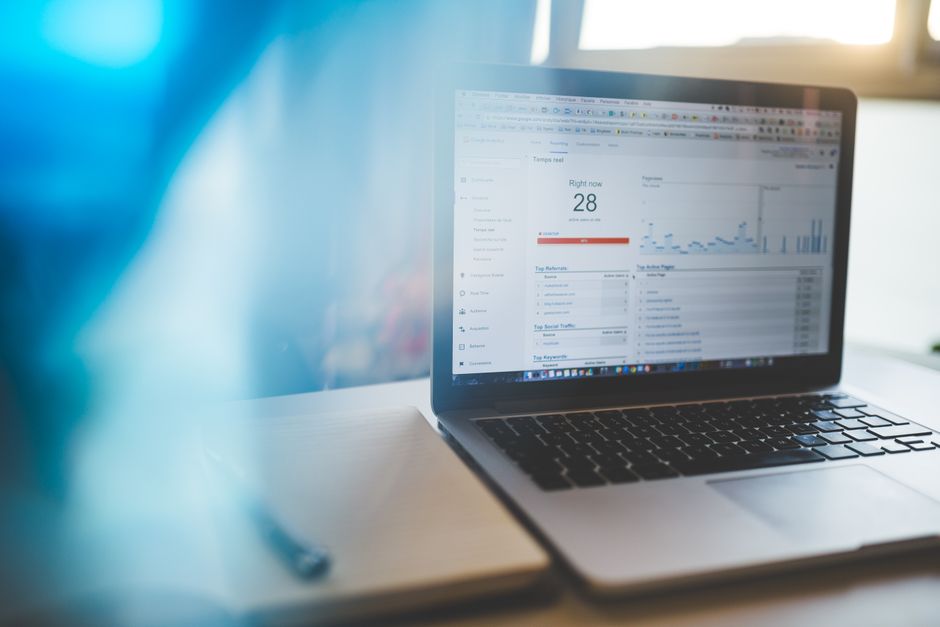
Another effective method to learn how to measure effectiveness of sms marketing campaigns is to conduct A/B testing. This approach allows you to refine your messaging through experimentation. Here’s how you can implement A/B testing:
- Select Variables: Choose one element to test at a time. This could be the message content, the timing of the message, or the call-to-action. For instance, you might test two different offers to see which drives more conversions.
- Define Your Audience: Segment your audience into two groups. Ensure the groups are similar in demographics to get accurate results.
- Run the Test: Send one version of your SMS to Group A and the alternate version to Group B. Make sure to send them simultaneously to avoid discrepancies in timing.
- Analyze Results: After a predetermined period, analyze the results to see which version performed better based on the metrics you are tracking. Use this data to inform future campaigns.
A/B testing not only helps you understand what resonates with your audience but also allows you to make informed data-driven decisions moving forward.
Adjusting Strategies Based on Insights
Once you have gathered data from your SMS campaigns, it’s essential to act on that information. Here’s how to effectively adjust your strategies:
- Identify Trends: Look for patterns in your data. Are certain messages leading to higher conversion rates, or does a specific time of day produce better engagement? Understanding these trends can lead to more effective campaigns.
- Refine Targeting: Use your insights to refine your audience segmentation. Create more targeted campaigns based on the preferences or behaviors of different segments.
- Experiment with Content: If certain types of content are underperforming, experiment with new creative strategies. This could include changing the tone of your messages, using emojis, or incorporating multimedia elements.
The goal here is to create a feedback loop where you continuously learn from your campaigns to improve future performance. It’s a proactive approach that fosters long-term success.
Measuring ROI in SMS Campaigns
Understanding how to measure effectiveness of sms marketing campaigns also involves calculating the return on investment (ROI). This metric is crucial for determining the financial success of your efforts. To calculate ROI for your SMS campaigns, follow these steps:
- Calculate Total Revenue: Determine the total revenue generated from your SMS campaigns. This includes direct sales attributed to SMS as well as any indirect benefits, such as increased website traffic.
- Calculate Total Costs: Include all costs associated with your SMS campaigns, such as platform fees, message costs, and labor.
- Use the ROI Formula: The formula for ROI is ((Total Revenue – Total Costs) / Total Costs) x 100. This percentage will give you a clear understanding of your campaign’s profitability.
For example, if your SMS campaign generated $5,000 in revenue and cost $1,000 to execute, your ROI would be ((5000 – 1000) / 1000) x 100 = 400%. This means for every dollar spent, you earned four dollars back.
Common Challenges in Measuring SMS Effectiveness
When learning how to measure effectiveness of sms marketing campaigns, you may face common challenges that can hinder your analysis:
- Data Overload: With numerous metrics available, it can be overwhelming to determine which ones to focus on. Prioritize key KPIs that directly align with your business goals.
- Inaccurate Reporting: Ensure that you are using reliable tools to track metrics. Inaccurate data can lead to misguided decisions.
- Short-Term Focus: Avoid focusing solely on immediate results. SMS marketing is often part of a broader strategy, and long-term trends can provide more valuable insights.
By being aware of these challenges, you can better prepare to navigate the complexities of SMS marketing measurement, leading to more productive campaigns.
Exploring Advanced Techniques for SMS Measurement

As you become more comfortable with fundamental metrics and strategies, consider exploring advanced techniques to deepen your understanding of how to measure effectiveness of sms marketing campaigns:
- Customer Lifetime Value (CLV): Assess the long-term value customers bring to your business beyond a single purchase. This metric can help justify your SMS marketing spend.
- Multi-Touch Attribution: Evaluate how different marketing channels contribute to conversions. Understanding the role of SMS in a multi-channel marketing strategy can provide better insights into its effectiveness.
- Predictive Analytics: Utilize data modeling to predict future trends based on historical data. This can help you anticipate customer behavior and refine your SMS strategies accordingly.
Implementing these advanced techniques may require additional tools or expertise, but they can significantly enhance your understanding of SMS marketing efficacy and improve your overall marketing strategy.
Frequently Asked Questions
What metrics should I track for SMS marketing?
Key metrics include delivery rate, open rate, click-through rate, and conversion rate. These will help you gauge the effectiveness of your campaigns.
How can I improve my SMS campaign engagement?
Consider segmenting your audience for targeted messaging, personalizing content, and timing your messages based on customer behaviors.
What is A/B testing in SMS marketing?
A/B testing involves sending two variations of a message to different audience segments to determine which performs better based on specific metrics.
How do I calculate ROI for my SMS campaigns?
To calculate ROI, subtract total costs from total revenue generated by the campaign, divide by total costs, and multiply by 100 to get the percentage.
Part of our complete guide: Understanding SMS Marketing Automation for Modern Businesses


