Bulk SMS marketing can transform your business communications, but getting it wrong can be costly. A poorly executed campaign risks your brand’s reputation and could lead to significant financial losses. Understanding the nuances of bulk SMS marketing is essential to harness its full potential.
Key Takeaways
- Bulk SMS marketing is a powerful tool for business communication.
- Ignoring best practices can lead to wasted resources and damage to reputation.
- Choosing the right service provider is crucial for campaign success.
- Integrating SMS with other channels can enhance overall marketing effectiveness.
Table of Contents
- Understanding Bulk SMS Marketing
- The Cost of Ignoring Best Practices in Bulk SMS Marketing
- Choosing the Right Bulk SMS Marketing Service
- Crafting Effective SMS Messages
- Compliance in Bulk SMS Marketing
- Integrating Bulk SMS Marketing with Other Channels
- Analyzing Bulk SMS Marketing Campaign Performance
- Enhancing Customer Engagement through Bulk SMS Marketing
- Future Trends in Bulk SMS Marketing
- Maximizing ROI with Bulk SMS Marketing
Understanding Bulk SMS Marketing

Bulk SMS marketing refers to the process of sending large volumes of text messages to customers or potential clients simultaneously. Businesses leverage this method to communicate directly, quickly, and effectively with their audience. The primary purpose of bulk SMS marketing is to deliver time-sensitive information, promotional offers, alerts, or updates in real-time, ensuring that the message reaches recipients almost instantly.
Benefits of Bulk SMS Marketing
The benefits of using bulk SMS are numerous. First and foremost, the open rate for SMS messages is remarkably high, often exceeding 90%. This means that businesses can expect a significant percentage of their messages to be read, unlike emails that may languish in inboxes unread. For instance, a retail business sending a flash sale announcement via SMS can expect a quick response, seeing sales spike within hours.
Cost-effectiveness is another key advantage. Many companies find bulk SMS services to be more affordable than traditional advertising channels. With rates often lower than 5 cents per message, businesses can reach thousands of customers for a fraction of the cost of a billboard or direct mail campaign. For example, sending 1,000 messages at 3 cents each only costs $30, making it an attractive option for budget-conscious marketers.
How Bulk SMS Marketing Transforms Engagement
Moreover, bulk SMS marketing enables businesses to engage customers in a personalized manner. When a company sends a targeted message, such as a birthday discount or a loyalty reward, it fosters a sense of individual attention that emails or social media posts may lack. This personal touch can lead to stronger customer loyalty and increased retention rates.
However, it’s crucial to avoid common pitfalls. Many businesses mistakenly assume that flooding recipients with messages will yield better results. In reality, excessive communication can lead to opt-outs and damage the brand’s reputation. Maintaining a balance and respecting the recipient’s time is vital. For example, sending out one well-timed message about an upcoming sale is more effective than bombarding customers with multiple reminders.
Overall, bulk SMS marketing stands out as a powerful tool for driving engagement and sales. When done right, it not only enhances communication but also builds stronger relationships with customers. By understanding its purpose and benefits, businesses can harness this strategy to effectively reach their audience and achieve their marketing goals.
The Cost of Ignoring Best Practices in Bulk SMS Marketing

When businesses fail to adhere to best practices in their SMS campaigns, they often encounter significant pitfalls that can jeopardize their marketing efforts and bottom line. Ignoring these guidelines can lead to wasted resources, tarnished reputations, and lost opportunities for engagement. Let’s explore some concrete examples of these potential costs.
Wasted Resources and Financial Losses
One of the most immediate consequences of ineffective bulk messaging is financial loss. For instance, if a company sends out mass texts without segmenting their audience, they might target recipients who have no interest in their product. Consider a retail chain that sends a promotional text about winter coats to a list that includes people in tropical regions. Not only will this campaign likely yield a low response rate, but it also wastes money on sending messages to unqualified leads. With average SMS costs ranging from $0.01 to $0.05 per message, targeting 10,000 recipients could result in a loss of $100 to $500 without any return on investment.
Reputation Damage from Poor Engagement
Ignoring best practices can also lead to reputation damage. When recipients receive irrelevant or poorly crafted messages, they may perceive the brand as spammy or unprofessional. This perception can lead to high opt-out rates. According to a study by the SMS Marketing Association, brands that don’t follow best practices can see opt-out rates soar to 20% or more. If your brand loses a significant portion of its audience, it can take considerable time and effort to rebuild trust and engagement.
Legal and Compliance Risks in SMS Campaigns
Another critical cost of ignoring best practices in bulk messaging is the risk of legal repercussions. Compliance with regulations, such as the Telephone Consumer Protection Act (TCPA) in the United States, is mandatory. Failing to obtain proper consent from recipients before sending marketing texts can lead to hefty fines. A single violation can cost businesses a minimum of $500, and if the court finds willful negligence, it could escalate to $1,500 per message. This makes non-compliance a significant financial risk that businesses must avoid.
Moreover, if a company suffers a backlash from customers who feel they weren’t given the proper opportunity to opt in, it can lead to negative publicity, further exacerbating the situation.
In conclusion, the cost of neglecting best practices in SMS marketing can be staggering. From wasted financial resources to damage to brand reputation and potential legal issues, the risks are significant. Therefore, businesses must prioritize effective strategies to ensure their bulk messaging efforts deliver positive results.
Choosing the Right Bulk SMS Marketing Service
Selecting the right bulk SMS marketing service can feel daunting, given the multitude of options available. However, focusing on essential criteria can simplify the decision-making process significantly. The key factors to consider include features, pricing, reliability, and customer support.
Key Features to Look For
Evaluate the features that different providers offer. Look for services that provide:
- Scalability: Your chosen platform should accommodate your growth. For instance, if you plan to scale from sending hundreds to tens of thousands of messages, ensure the service can handle that volume without hiccups.
- API Integration: If you’re using CRM or eCommerce platforms, a service that provides an API will let you automate your SMS campaigns, saving time and reducing errors.
- Delivery Reports: Reliable services give real-time analytics on delivery rates, which is crucial for measuring campaign success. Aim for a service that reports delivery rates of 95% or higher.
- Personalization Options: The ability to personalize messages can significantly boost engagement rates. A service that allows for dynamic fields—like the recipient’s name—can enhance your outreach.
Assessing Pricing Models
Pricing structures can vary widely among bulk SMS providers. Some charge per message, while others may offer monthly subscriptions. For example, a pay-as-you-go model might charge around $0.01 to $0.05 per message, but with high volume, you may want to consider a subscription that could bring that cost down to as low as $0.007 per message.
Be wary of hidden costs. Review the fine print for potential fees related to sending to international numbers or additional charges for features like dedicated shortcodes. A low base rate might look appealing but could become costly when you factor in these extras.
Reliability and Support
Choose a provider with a proven track record of reliability. Look for uptime guarantees of 99.9% or better. Also, check for customer reviews and testimonials. A responsive customer support team can be invaluable, particularly if you encounter technical issues. If your messages are delayed or not delivered, quick assistance can make all the difference.
In conclusion, carefully weighing these criteria—features, pricing, reliability, and support—will help you find the right bulk SMS marketing service that fits your business needs. Don’t rush the decision; investing the time to choose wisely can lead to enhanced customer engagement and improved ROI over time.
Crafting Effective SMS Messages
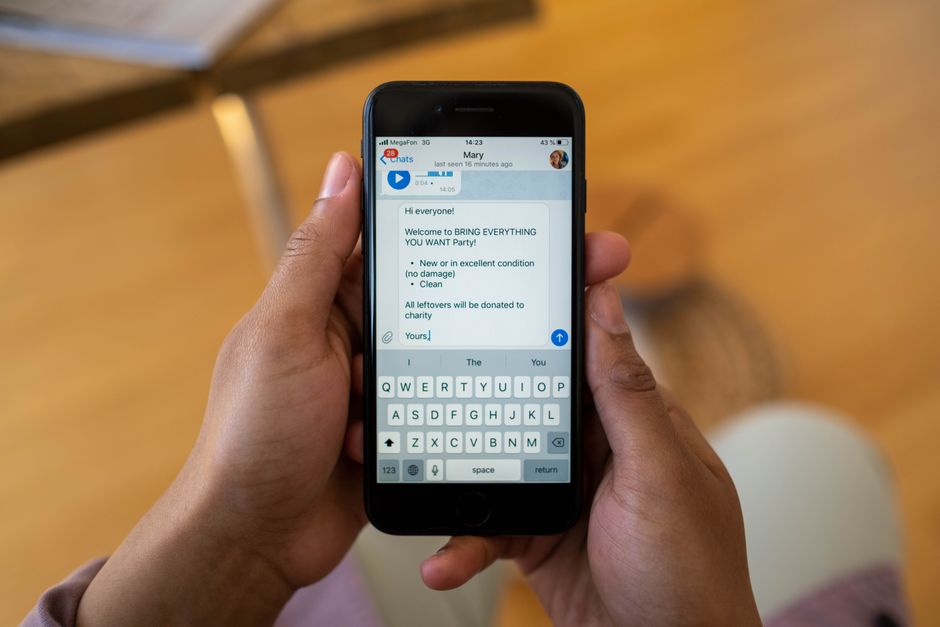
Creating compelling SMS messages is an art that can significantly impact the success of your advertising efforts. With a limited character count—typically 160 for a standard SMS—every word counts. Here are some guidelines to ensure your messages resonate with recipients and drive action.
Know Your Audience
Understanding who you’re messaging is crucial. Tailor your content to meet the specific needs and preferences of your audience. For example, if you’re a retail brand targeting younger consumers, a playful tone and emojis might work wonders. Conversely, a financial institution might opt for a more formal approach. Segment your audience based on demographics, purchase history, and behavior to craft messages that feel personal and relevant.
Key Elements for Engaging Messages
While writing your bulk SMS marketing messages, include these key elements:
- A Strong Call to Action (CTA): Your message should include a clear and compelling CTA. For instance, “Text ‘SAVE20’ for 20% off your next purchase!” is direct and encourages immediate action.
- Urgency and Scarcity: Phrases like “limited time offer” or “only 5 spots left” create urgency that can prompt quicker responses. Research shows that messages with a sense of urgency can increase response rates by up to 25%.
- Personalization: Use the recipient’s name where possible. A message like “Hi Sarah, your favorite shoes are on sale!” makes it feel special and can boost engagement.
Common Mistakes to Avoid
Even seasoned marketers can make missteps when crafting SMS messages. Here are some pitfalls to watch out for:
- Overloading with Information: SMS should be concise. Avoid cramming too much information into a single message. Instead, focus on the essentials. If you have more to say, consider sending a follow-up message.
- Ignoring Timing: Sending messages at inappropriate times can lead to irritation and opt-outs. Research shows that texts sent between 10 AM and 12 PM have higher engagement rates.
- Failing to Test: Not all messages will resonate the same way. A/B testing different versions of your SMS can provide valuable insights into what works best for your audience. Consider varying your CTAs, messaging style, or even send times.
Ultimately, effective SMS messages are concise, engaging, and tailored to your audience. By avoiding common mistakes and focusing on what drives action, you can significantly enhance your bulk SMS strategy.
Compliance in Bulk SMS Marketing

When executing bulk SMS campaigns, understanding compliance isn’t just a formality—it’s a necessity. Regulatory frameworks exist to protect consumers from unwanted messages and ensure that marketers respect their privacy. Failing to comply can lead to hefty fines and damage your brand’s reputation.
Understanding Legal Regulations
In many regions, the law mandates that businesses obtain explicit permission from recipients before sending promotional messages. This is often referred to as the opt-in requirement. For instance, in the United States, the Telephone Consumer Protection Act (TCPA) requires businesses to secure prior written consent before sending automated SMS communications. Violations can result in fines of up to $1,500 per message. In contrast, the General Data Protection Regulation (GDPR) in the European Union has stringent rules regarding data privacy, including the requirement for opt-in consent for marketing communications.
Common Compliance Mistakes
One of the most frequent mistakes businesses make is assuming that past customer relationships grant them permission to send marketing texts. This assumption can be a costly error. For example, a well-known retail chain faced a $10 million lawsuit for sending unsolicited messages to customers who hadn’t explicitly opted in for SMS promotions. To avoid such pitfalls, always maintain an up-to-date opt-in list and regularly review your compliance practices.
Best Practices for Bulk SMS Marketing Compliance
- Clear Opt-In Forms: Ensure that your opt-in forms clearly state what subscribers are signing up for. Use straightforward language to describe the types of messages they will receive.
- Double Opt-In: Consider implementing a double opt-in process where subscribers confirm their consent via a follow-up message. This extra step can safeguard against misunderstandings.
- Easy Opt-Out Options: Make it simple for recipients to opt out of future communications. Including a standard opt-out message (like ‘Reply STOP to unsubscribe’) is not only good practice but often a legal requirement.
Regularly audit your compliance measures to stay updated with evolving laws and regulations, as compliance is not a one-time effort. By adopting these practices, you not only protect your business from legal repercussions but also build trust with your audience. A well-informed customer is more likely to engage positively with your marketing efforts.
Integrating Bulk SMS Marketing with Other Channels

Integrating bulk SMS marketing with email and social media can amplify your outreach efforts and create a multi-channel approach that engages your audience on various levels. By leveraging the strengths of each platform, businesses can ensure their messages reach customers where they are most active, thereby increasing the likelihood of engagement.
Creating a Cohesive Customer Journey
To maximize impact, start by crafting a cohesive customer journey that flows seamlessly across channels. For instance, if you send an SMS promotion, follow it up with an email that provides more information or a special offer related to that SMS. This not only reinforces the message but also caters to different preferences; some customers might prefer quick updates via SMS, while others may appreciate the details found in emails.
Consider using social media to build anticipation for your SMS campaigns. For example, announcing an exclusive SMS-only discount on your social channels can encourage followers to opt-in. According to a study by Statista, 80% of consumers prefer to receive promotional messages from brands via SMS, which highlights the effectiveness of this strategy.
How to Combine Bulk SMS with Email and Social Media
Here’s a practical approach to integrating your SMS efforts with email and social media:
- Segment Your Audience: Use customer data to segment your audience based on their preferences. Tailor your SMS, email, and social media messages for each segment to ensure relevance.
- Timing is Key: Align the timing of your messages. For instance, send a reminder SMS for an upcoming email newsletter or social media event. This creates a sense of urgency and encourages immediate action.
- Encourage Interaction: Drive engagement by including calls-to-action in your SMS that prompt users to interact on social media. For example, invite them to share their experiences using a specific hashtag.
By strategically combining these channels, your marketing efforts become more robust. Each platform enhances the other, leading to improved customer retention and conversion rates. A study by Campaign Monitor found that email campaigns that were paired with SMS messaging saw a 25% increase in open rates.
Evaluating Performance Across Channels
Lastly, regularly evaluate the performance of your integrated campaigns. Use analytics tools to track how each channel contributes to overall engagement. For example, monitor the click-through rates of emails that followed an SMS campaign versus emails sent independently. This will help you pinpoint which strategies yield the best results and where adjustments are needed.
Combining SMS with email and social media creates a marketing ecosystem that not only retains customer attention but also drives action. It’s about building a narrative that resonates with your audience across various touchpoints, ensuring your message is always heard.
Analyzing Bulk SMS Marketing Campaign Performance

Measuring the success of your SMS campaigns is crucial for understanding their impact and optimizing future efforts. To effectively analyze performance, you can use a combination of metrics, feedback, and tools. Here’s how to get started.
Key Metrics to Monitor
Begin by identifying the key performance indicators (KPIs) that align with your campaign goals. Here are some essential metrics to consider:
- Delivery Rate: This metric tells you the percentage of messages successfully delivered to recipients. A high delivery rate indicates that your list is clean and your messages are reaching their intended audience. Aim for a delivery rate of 95% or higher.
- Open Rate: While SMS messages are typically opened more than emails, tracking how many recipients engage with your message is essential. A good open rate for SMS is around 98%. If your rates are lower, consider refining your targeting.
- Response Rate: This shows how many recipients took action after receiving your message. Whether it’s clicking a link, replying, or making a purchase, understanding response rates helps gauge engagement. A response rate of 10-30% is considered effective.
- Opt-out Rate: Tracking how many people opt-out after receiving your messages provides insight into your audience’s satisfaction. Try to keep this below 2% to maintain a healthy list.
Gathering Feedback and Insights
In addition to metrics, gathering qualitative feedback can offer invaluable insights. You can do this through:
- Surveys: After a campaign, send a short survey asking recipients for their thoughts on the content and timing. Consider questions like, “Was the information useful?” or “How can we improve?”
- A/B Testing: Experiment with different messaging styles or call-to-action phrasing. For instance, send one group a message with a discount offer and another with a free trial. Analyze which message garners a higher response rate.
- Social Listening: Monitor social media channels for mentions of your brand or campaign. Feedback on these platforms can reveal public sentiment and highlight areas for improvement.
Tools for Analyzing Bulk SMS Marketing Performance
Utilize analytics tools to streamline your assessment process. Many bulk SMS service providers offer dashboards that consolidate data on delivery rates, engagement, and more. Platforms such as Google Analytics can also track traffic driven by SMS campaigns, providing a comprehensive view of performance.
By regularly analyzing these metrics and gathering feedback, you can refine your strategies and enhance the effectiveness of your future SMS marketing efforts. Always aim for continuous improvement based on what the data and your audience are telling you.
Enhancing Customer Engagement through Bulk SMS Marketing
To truly enhance customer engagement, businesses need to leverage the immediacy and directness of SMS communication. Bulk SMS marketing provides an opportunity to reach customers instantly and personally. The right strategies can transform simple notifications into interactive conversations that foster loyalty and satisfaction.
Creating Personalized Experiences
Personalization is key in any marketing strategy, and SMS is no exception. When customers receive messages tailored to their interests or behaviors, they’re more likely to engage. For instance, a retail store can send personalized discounts based on previous purchases. If a customer frequently buys athletic wear, a message like, “Hey! Enjoy 20% off on your next purchase of sports gear!” is far more appealing than a generic promotion.
According to a report by Salesforce, 70% of consumers say a company’s understanding of their personal needs influences their loyalty. This means that leveraging customer data to send targeted SMS can significantly enhance engagement and foster long-term relationships.
Utilizing Two-Way Communication
Another effective strategy is enabling two-way communication through SMS. By inviting customers to respond to your messages or participate in polls, businesses can create a sense of involvement. For example, a restaurant could send a bulk SMS inviting customers to vote on their next special dish. Messages like, “Vote for our next special! Reply with 1 for Pasta or 2 for Tacos!” not only engage customers but also provide valuable insights into their preferences.
Research shows that two-way interactions can increase customer satisfaction by 20%. By making customers feel heard, brands can not only enhance engagement but also build trust and loyalty.
Effective Timing and Frequency in Bulk SMS Marketing
The timing and frequency of SMS messages can significantly impact customer engagement. Sending messages during peak shopping hours or when customers are most likely to be free can yield better results. For instance, a clothing store might find that sending promotional texts on Friday afternoons leads to higher foot traffic over the weekend.
However, businesses must avoid overwhelming customers with too many messages. Aiming for 1-3 messages a week is typically effective without becoming intrusive. An overzealous approach can backfire, leading customers to opt-out of future communications.
In conclusion, enhancing customer engagement through SMS entails personalizing messages, fostering two-way communication, and carefully timing your outreach. By implementing these strategies, businesses can create a stronger connection with their customers, ultimately driving satisfaction and loyalty.
Future Trends in Bulk SMS Marketing

As technology continues to evolve, so does the landscape of marketing strategies. One area poised for significant growth is bulk SMS messaging. In the coming years, several trends are likely to shape how businesses leverage this tool to connect with customers.
Personalization and Automation
Consumers increasingly expect personalized experiences. According to a report by Epsilon, 80% of customers are more likely to make a purchase when brands offer personalized experiences. Bulk SMS marketing will harness automation tools to send tailored messages based on user behavior and preferences. For instance, if a customer frequently buys a specific product, businesses can automate SMS reminders when that product goes on sale or is back in stock. This approach boosts engagement rates and enhances customer loyalty.
Integration with AI and Machine Learning
Artificial intelligence (AI) and machine learning will play pivotal roles in optimizing bulk SMS campaigns. These technologies can analyze vast amounts of data to predict customer preferences and behaviors. By understanding patterns, businesses can refine their messaging strategies. For example, AI can suggest the best times to send messages based on when recipients are most likely to engage. Companies like Twilio are already incorporating AI to enhance their SMS services, making it easier for marketers to drive effective campaigns.
The Role of Compliance in Future Bulk Messaging
As regulations surrounding data privacy become stricter, compliance will be a significant focus for bulk messaging services. The General Data Protection Regulation (GDPR) and the Telephone Consumer Protection Act (TCPA) in the U.S. have already set high standards for consent and data handling. Businesses must ensure they have explicit permission from customers before sending any bulk messages. Failure to comply can result in hefty fines. Therefore, investing in compliance tools and training staff on the legal landscape will be essential for future success in bulk SMS marketing.
Rich Communication Services (RCS) and Advanced Features
Rich Communication Services (RCS) is set to revolutionize SMS marketing. Unlike traditional SMS, RCS allows for multimedia messages, interactive buttons, and even carousels of products. This upgraded messaging format can significantly increase engagement rates. For example, a restaurant can send a menu along with a reservation link directly through RCS, streamlining the customer experience. As more smartphones support RCS, businesses that adopt this technology early will likely see a competitive edge.
In summary, the future of bulk messaging is bright, driven by trends in personalization, AI integration, compliance, and advanced messaging features. Marketers who stay ahead of these trends will not only enhance their customer engagement but also ensure their strategies remain effective in an ever-evolving digital landscape.
Maximizing ROI with Bulk SMS Marketing

To truly maximize your return on investment (ROI) with SMS campaigns, you need to strategize effectively. Here are some actionable tips that can help your business see substantial returns.
Target Your Audience Wisely
Understanding your audience is crucial. Segment your recipients based on demographics, purchase history, or engagement levels. For instance, if you run a retail store, you can send exclusive offers to frequent buyers, increasing the chance of a conversion. Studies show that targeted messages can yield up to a 50% higher response rate.
Optimize Timing and Frequency
Timing can make or break your SMS campaign. Analyze when your audience is most likely to engage with your texts. For example, sending messages during lunch breaks or early evenings can lead to better results. Additionally, avoid bombarding customers with too many messages. A frequency of 1-4 messages a month is often ideal. Overdoing it can lead to opt-outs, diminishing your overall ROI.
Craft Compelling Content for Bulk SMS Marketing
The content of your messages plays a pivotal role in conversion rates. Use clear, concise language and include a strong call-to-action (CTA). An example could be a message like: “Flash Sale! 30% off all items today only. Use code FLASH30 at checkout!” This approach not only informs but also motivates immediate action. A well-crafted message can boost conversion rates by up to 20%.
Measure and Adjust Your Strategy
Analytics are your best friend. Use metrics like open rates, click-through rates, and conversion rates to assess campaign performance. If you find that a particular type of message isn’t performing well, don’t hesitate to tweak your approach. For instance, if promotional texts are underperforming, consider testing different offers or delivery times. Continuous adjustment based on data can lead to a significant increase in ROI over time.
Incorporate Feedback
Engage with your audience by soliciting feedback. After a campaign, send a follow-up message asking customers about their experience. This not only enhances customer relations but also provides insights into what works and what doesn’t. Use that feedback to refine future campaigns. Customers appreciate being heard, and this can foster loyalty, ultimately impacting your ROI positively.
In conclusion, maximizing your returns from SMS marketing requires careful planning and execution. By targeting the right audience, optimizing message timing, crafting compelling content, measuring results, and incorporating feedback, your business can unlock the financial benefits of bulk SMS marketing.
Explore This Topic in Depth
Each piece below is covered in full in its own article:
- SMS Marketing Best Practices for Effective Engagement
- Measuring SMS Campaign Success: Key Metrics and Strategies
- Compliance in SMS Marketing: What You Need to Know
Frequently Asked Questions
What is bulk SMS marketing?
Bulk SMS marketing is a method of sending promotional messages to a large number of recipients via SMS. It is commonly used for marketing campaigns, alerts, and notifications.
How can I measure the success of my bulk SMS campaigns?
You can measure success by tracking metrics such as delivery rates, open rates, response rates, and conversions. Analyzing this data helps refine future campaigns.
Is bulk SMS marketing compliant with regulations?
Yes, bulk SMS marketing must comply with regulations like the Telephone Consumer Protection Act (TCPA) in the U.S., which mandates obtaining consent from recipients before sending messages.
What are the benefits of bulk SMS marketing?
Benefits include high open rates, immediate delivery, cost-effectiveness, and the ability to reach customers directly on their mobile devices.


